

Reclaiming Childhood: Pediatric Emergency Medicine Amid Sudan’s War

Published by IFEMAdmin
September 29, 2025
Dr. Habab A. Iraqi shares a first-hand account of Sudan’s war and its toll on children’s health.
Reclaiming Childhood: Pediatric Emergency Medicine Amid Sudan’s War
Habab A. Iraqi
A Personal Encounter with Fragility
During my pediatrics internship in South Khartoum, right before the current war, I witnessed the harsh reality of severe childhood malnutrition. Vulnerable children lie down in crowded hallways, showing the brutal nature of life in hospitals with scarce resources. Even with our relentless efforts, lives continued to be lost. It was truly inspiring to see consultants and residents dedicate themselves so wholeheartedly, even in the face of limited resources. With just knowledge, patience, and a deep respect for each child's dignity, they taught me that medicine is more than just procedures; it's fundamentally about humanity.
We worked grueling shifts, often beyond thirty-six hours, and fatigue was a constant companion. Yet we never lost sight of what mattered most: the children. Often, I found myself helping families who couldn’t afford even the simplest medicines, searching for charities and donors to fill the gaps. My first death announcement was for an eight‑month‑old girl whose life could not be saved simply because life-saving medication (adrenaline) was unavailable. That experience solidified my commitment to pediatric emergency medicine. It taught me that in Sudan, saving a child’s life often means battling for access to resources as much as fighting disease itself.
A Healthcare System Fractured by War
Sudan’s pediatric healthcare system is now on the brink of collapse. In conflict‑affected regions, nearly 80% of facilities are non‑functional or destroyed, drastically reducing both emergency and primary care capacity. An estimated 4.9 million children under five and pregnant women suffer from acute malnutrition. In Darfur, cases of severe acute malnutrition have increased by 46% this year.
Cholera outbreaks are widespread in congested refugee camps, where access to clean water and sanitation is limited. Since early 2025, approximately 83,000 instances have been documented countrywide, including over 1,000 deaths among children under five. Immunization programs have faltered, with national measles vaccination coverage dropping drastically, causing recurrent, often fatal outbreaks, especially among malnourished children.
Over two million children live in overcrowded camps, where prevalent diarrheal and respiratory infections increase child mortality rates beyond emergency levels. Although active warfare has diminished in many areas, El Fasher in North Darfur has been besieged since 2023, with significant restrictions on humanitarian access. The blockage has worsened the pediatric health crisis, leaving children vulnerable to hunger, malnutrition, and preventable infections.
Healthcare workers face grave risks amid ongoing violence, with over 150 killed and hundreds injured in attacks on healthcare this year. The shortage of essential supplies -such as medications, oxygen, vaccines, and therapeutic foods- intensifies suffering, while looting and deliberate assaults on hospitals increase. Amidst these obstacles, humanitarian organizations persevere with crucial interventions, urgently advocating for unrestricted humanitarian aid and increased global support.
Beyond Survival: The Hidden Wounds
Conflict robs Sudanese children of health, safety, education, and play. UNICEF and ReliefWeb indicate that more than 15 million children in Sudan require humanitarian aid. The destruction of schools or their repurposing as shelters has resulted in the loss of normalcy. Trauma, hunger, and illness significantly impact cognitive and emotional development, in addition to physical survival. UNOCHA warns that without decisive action, there is a risk of losing an entire generation.
Recommendations for Collective Action
- Strengthen Pediatric Emergency Training: Implement local and virtual programs to equip providers with life-saving skills despite resource limitations.
- Engage the Sudanese Medical Diaspora: Leverage knowledge via mentorship, digital education, and advocacy.
- Facilitate Secure Humanitarian Access: Prioritize the secure distribution of supplies, vaccines, and emergency medical care by organizations such as UNICEF, MSF, and Save the Children.
- Enhance Community Engagement: Collaborate with community and religious leaders to rebuild trust and expand health outreach.
- Prioritize Mental Health: Assist children, families, and frontline providers via comprehensive psychological treatment.
These efforts are crucial; they constitute the essential measures to safeguard lives and revive hope.
Conclusion
Sudan’s children carry the heaviest burden of this war - from malnutrition and measles to trauma and displacement. Yet they also embody extraordinary resilience.
For international pediatric emergency medicine physicians and humanitarian workers, the responsibility is urgent and unequivocal. We must safeguard pediatric emergency care, support overburdened providers, and promote secure humanitarian corridors. We must also invest in training and strengthen local systems so that the children of Sudan are not condemned to repeat this crisis in the future.
Hope must extend beyond sentiment - into advocacy, resources, and solidarity. Together -across borders and disciplines- we can ensure Sudanese children are acknowledged not for their losses, but for survival, health, and dignity. Every child deserves not only to survive but also the potential to flourish in a future defined by opportunity rather than conflict.
About the Author
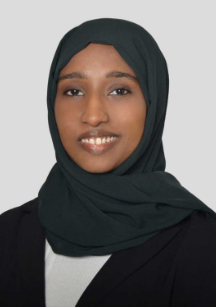
Habab A. Iraqi, MBBS, is a Sudanese emergency medicine intern dedicated to improving healthcare for vulnerable populations. She has actively engaged with global health organizations since medical school and currently holds affiliations with the Society for Academic Emergency Medicine (SAEM) and the European Society for Emergency Medicine (EUSEM). Her primary research interests include humanitarian healthcare, global health policy, disaster medicine, and pediatric emergency medicine.