

IFEM-BEEM Journal Club Vol. 2 - Surviving Sepsis 2026: From Evidence to Practice
See you there
WhenOctober 07, 2026 at 14:00 - 3:30pm
Where
Virtual Learning Event
Google map and directions
IFEM-BEEM Journal Club Vol. 2 - Surviving Sepsis 2026: From Evidence to Practice

Published by IFEMAdmin
September 09, 2026
 -
-
Surviving Sepsis 2026: From Evidence to Practice
Event Language: English
-
Registration is now closed.
-
Target Audience
The target audience includes IFEM’s global community of emergency care providers, primarily practicing emergency physicians and trainees across diverse resource settings, with particular value for clinicians seeking accessible, high-quality evidence translation.
-
Learning Objectives
By the end of each IFEM-BEEM Journal Club session, participants will be able to:
-
Identify key high-impact emergency medicine studies and explain their primary findings and clinical relevance.
-
Apply structured critical appraisal methods (based on BEEM criteria) to assess the validity and quality of published research.
-
Interpret study results, including measures of effect, bias, and applicability to real-world emergency care settings.
-
Integrate evidence into clinical decision-making, adapting findings to both high-resource and resource-limited environments.
-
Discuss the implications of new evidence with peers, contributing to informed, practice-changing conversations in emergency medicine.
-
Program
By the end of this session, participants will be able to:
-
Identify key changes in the 2026 Surviving Sepsis Campaign guidelines and describe how they differ from previous recommendations for sepsis and septic shock management.
-
Critically appraise the evidence supporting selected guideline recommendations, including certainty of evidence and strength of recommendations.
-
Evaluate the applicability of recommendations across diverse emergency care settings, including low- and middle-income countries, identifying practical implementation strategies when resources are limited.
-
Prescott HC, Antonelli M, Alhazzani W, et al. Surviving Sepsis Campaign: International Guidelines for Management of Sepsis and Septic Shock 2026. Critical Care Medicine. 2026;54(4):725–812. Free open-access here: https://www.ovid.com/jnls/ccmjournal/fulltext/10.1097/ccm.0000000000007075~surviving-sepsis-campaign-international-guidelines-for
-
Weiss SL, Peters MJ, Oczkowski SJW, et al. Surviving Sepsis Campaign International Guidelines for the Management of Sepsis and Septic Shock in Children 2026. Pediatric Critical Care Medicine. Published March 23, 2026. Free open-access here: https://www.ovid.com/jnls/pccmjournal/fulltext/10.1097/pcc.0000000000003927~surviving-sepsis-campaign-international-guidelines-for-the
-
Date and Time
Timezone - United Coordinated Time
Wednesday, 7 October, 2:00 pm - 3:30 pm UTC
Check local time: https://savvytime.com/converter
All delegates will receive:
- Session access
- Recognition of Attendance (after exit form)
- Recording via IFEM Academy
Moderator

Dr. Shelley McLeod - Canada
Dr. Shelley McLeod is a Clinical Epidemiologist and the Research Director of the Schwartz/Reisman Emergency Medicine Institute (SREMI) at Sinai Health. She is an Associate Professor in the Department of Family and Community Medicine and the Institute of Health Policy, Management and Evaluation at the University of Toronto.
With over 20 years of experience in emergency medicine research, Dr. McLeod brings expertise in clinical research methodology and biostatistics. She has authored more than 150 peer‑reviewed publications across a wide range of emergency medicine topics. Her academic interests include emergency department triage and patient flow, evidence synthesis, clinical trial design, and program evaluation.
-
Speakers

Dr. Suneel Upadhye - Canada
Dr. Suneel Upadhye (MD, MSc, FRCPC) is a Canadian Royal College‑certified Emergency Physician since 2001 (McMaster University). He also completed his Masters in Clinical Epidemiology, with a specialization in critical appraisal methods. He is a Clinical Associate Professor in the Division of Emergency Medicine at McMaster.
He is the Chair of the Canadian Association of Emergency Physicians (CAEP) Choosing Wisely Canada Working Group. He also works as a Guidelines Methodologist for the Society of Academic Emergency Medicine Guidelines for Reasonable and Appropriate Care for Emergency Room (SAEM GRACE) projects.
His research interests include evidence‑based medicine methods, knowledge translation, quality improvement, and clinical practice guidelines methodology. In his personal time, he is an avid jazz music enthusiast, bass player for CAEP Docs that Rock, scuba diver, and a mediocre golfer.
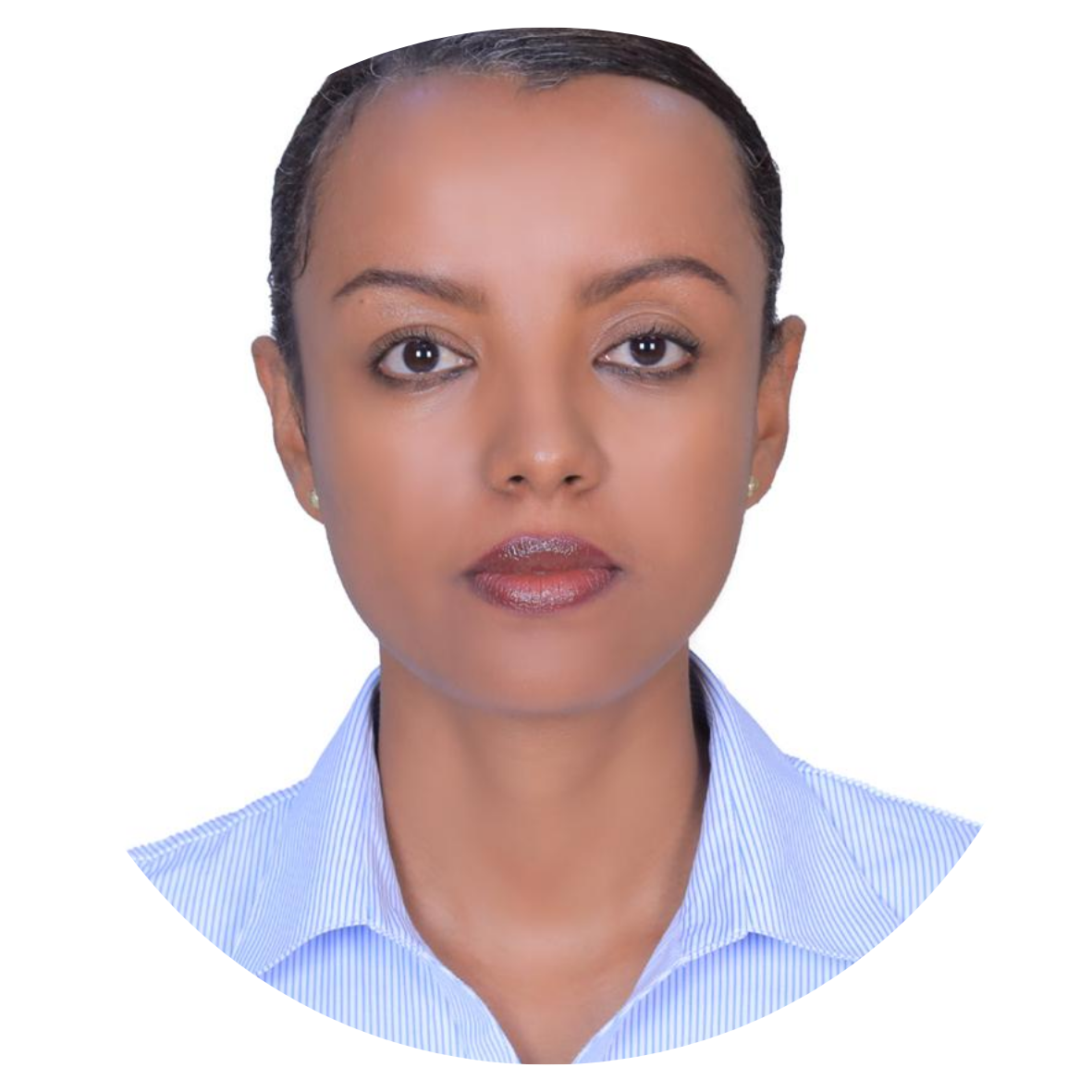
Dr. Emnet Shimber - Ethiopia
Dr. Emnet Shimber is an Emergency and Critical Care Medicine Specialist and Associate Professor with expertise in emergency care, critical care, and public health. She holds an MD from Jimma University, specialized in Emergency and Critical Care at Addis Ababa University, and earned an MPH in Epidemiology from Hawassa University.
Her leadership has been instrumental in establishing Ethiopia’s Emergency Medical Services, enhancing trauma and ICU capacity, and implementing transformative healthcare initiatives nationally and internationally. She is an accomplished author, educator, co-founder of multiple professional organizations, and recipient of the National Healthcare Hero Award.
Her work focuses on expanding equitable access to essential healthcare, advancing emergency education, and empowering the next generation of global healthcare professionals. Outside of her clinical and academic roles, she is a passionate advocate for health equity and global collaboration.
-