

Quality and Patient Safety Frameworks in the Emergency Department
See you there
WhenJanuary 30, 2026 at 13:00 - 2:30pm
Quality and Patient Safety Frameworks in the Emergency Department

Published by IFEMAdmin
Target Audience
-
Emergency Department Physicians (Consultants, Specialists, Residents)
- Why: Physicians play a central role in clinical decision-making, risk management, and leadership of quality and patient safety initiatives in the ED. This session equips them with practical frameworks to reduce errors, improve outcomes, and lead system-level improvement.
-
Emergency and Critical Care Nurses
- Why: Nurses are frontline providers with continuous patient contact and deep insight into workflow, communication gaps, and safety risks. Strengthening their understanding of safety culture, quality indicators, and reporting systems enhances early risk detection and team-based safety.
-
Emergency Department Leaders and Managers (Medical Directors, Nurse Managers, QI Leads)
- Why: Effective quality and patient safety programs require strong leadership, governance structures, and data-driven oversight. This audience benefits from guidance on building safety culture, governance, and readiness for IFEM ED Quality Accreditation.
-
Hospital Quality, Patient Safety, and Risk Management Professionals
- Why: These professionals support ED teams in measurement, reporting, and improvement initiatives. The webinar helps align hospital-wide quality systems with the unique, high-risk context of emergency care.
-
Health Administrators and Policymakers
- Why: Understanding ED-specific quality and safety challenges supports informed policy decisions, resource allocation, and system-level reforms, particularly related to overcrowding, flow, and patient outcomes.
-
Trainees and Early-Career Health Professionals (Residents, Interns, Fellows)
- Why: Early exposure to quality and patient safety principles fosters a safety-first mindset and prepares future leaders to embed improvement science into everyday emergency care.
-
Emergency Care Providers in Low- and Middle-Income Countries (LMICs)
- Why: The webinar emphasizes adaptable frameworks (WHO, IFEM) and practical implementation strategies suitable for resource-limited settings, supporting equitable improvement in emergency care quality worldwide.
Learning Objectives
- To explain core principles of quality and patient safety in emergency medicine and describe why emergency departments require structured quality systems due to their high-risk environment.
- To differentiate between safety culture and blame culture and identify practical strategies to promote psychological safety, incident reporting, and learning from near-misses in the ED.
- To apply clinical governance and risk management concepts by recognizing common ED risks and outlining appropriate use of morbidity and mortality reviews, root cause analysis, and sentinel event management.
- To identify and interpret key emergency department quality indicators, including flow, timeliness, safety, effectiveness, and patient-centeredness, to support data-driven decision-making.
- To describe the role of human factors and communication in emergency department safety, including how cognitive load, handovers, and patient–family engagement influence outcomes.
- To summarize the IFEM Emergency Department Quality Accreditation framework, including its domains, standards, and potential benefits for improving emergency care quality globally.
- To outline initial readiness and implementation steps for establishing or strengthening a quality and patient safety program within their own emergency department.
Program
- Foundations of Quality & Patient Safety in Emergency Medicine - Dr. Temesgen Beyene Abicho - Ethiopia
- Building a Culture of Safety in the Emergency Department - Dr Lucas Chartier - Canada
- Patient Experience, Communication & Human Factors in ED Safety - Dr Arif Mattoo - Saudi Arabia
- Emergency Department Quality Accreditation certification by IFEM - Dr. S. Saravana Kumar - India
Date and Time
Timezone - United Coordinated Time
Friday, 30 January, 1:00 pm - 2:30 pm UTC
Check local time: https://savvytime.com/converter
All delegates will receive:
- Access to the session
- Digital acknowledgement of attendance
- Link to recorded presentations
Course fees
$45 AUD – Doctors and health professionals from high-income countries
$5 AUD – Doctors and health professionals from low- and lower-middle-income countries
$5 AUD – Residents/Medical Students/Health Professionals from low- and lower-middle-income countries
Note – the prices above are expressed in Australian dollars, with AU$1 approximately equivalent to 0.65 US dollars. Click here to check the cost in your currency.
Speakers

Dr. Temesgen Beyene Abicho
Dr. Temesgen Beyene Abicho is an Associate Professor of Emergency Medicine and Consultant Emergency & Critical Care Specialist at Tikur Anbessa Specialized Hospital, Addis Ababa University. He is an Institute for Healthcare Improvement (IHI) Fellow and a PhD Candidate in Health Quality at Queen’s University. Dr. Abicho chairs the Quality & Patient Safety Special Interest Group at the International Federation of Emergency Medicine (IFEM) and is a Scholar in the Stanford African Scholars in Global Health Program. He is an alumnus of Harvard, Brown, and Stanford Universities with interests in Point-of-Care Ultrasound, Quality Improvement, Patient Safety, and Health System Strengthening.

Dr. Lucas Chartier
Dr. Lucas Chartier (MD, FRCPC, MPH, MBA) is a healthcare leader and innovator driven by the pursuit of better quality and safer patient care for all. He is an Associate Professor at the University of Toronto, and he serves as Vice President, Quality & Safety and Chief Patient Safety Officer at the University Health Network (UHN), where he also works as an emergency physician.
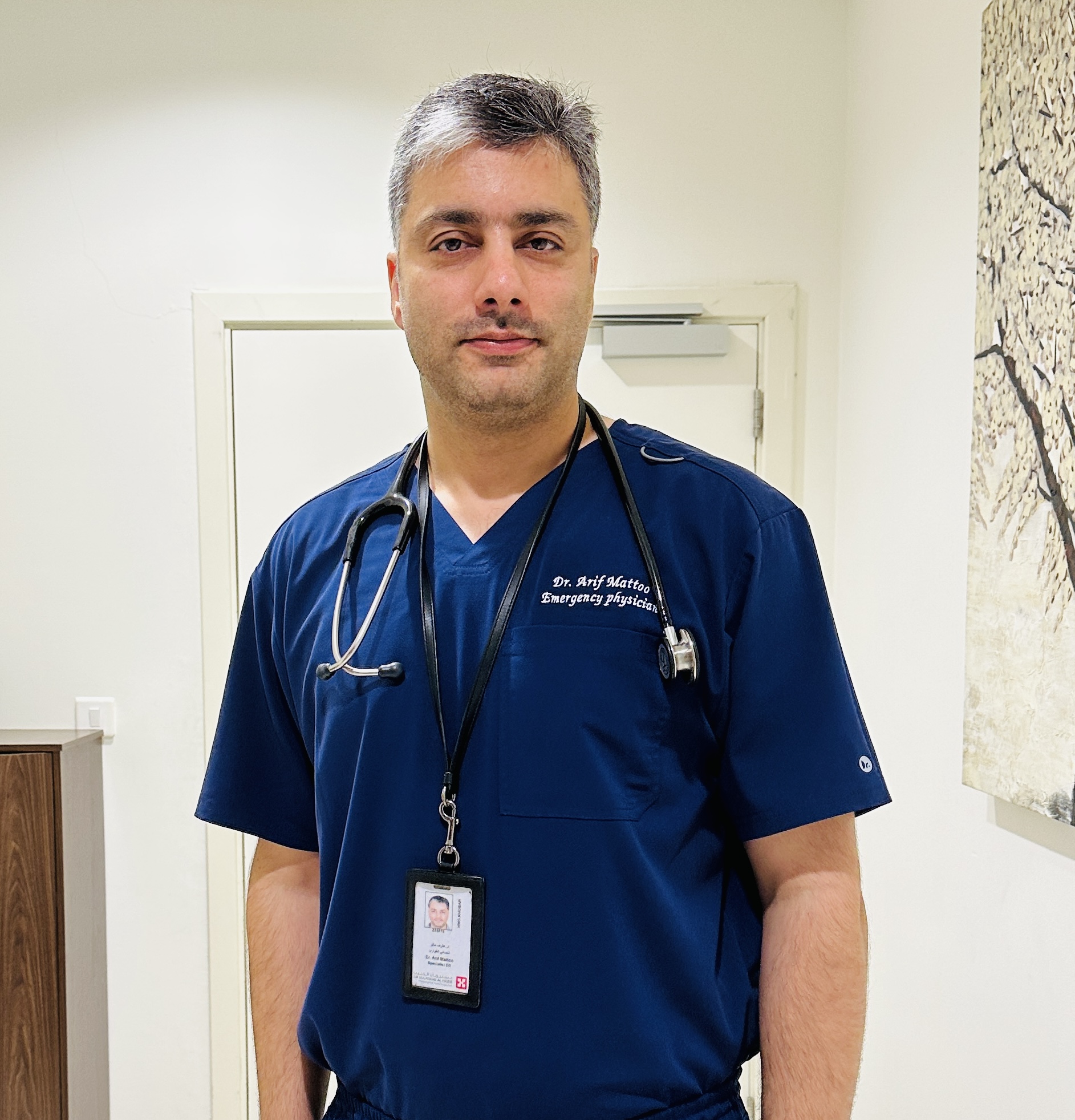
Dr. Arif Mattoo
Dr. Arif Mattoo is a leading emergency physician and Clinical Quality Lead at Dr. Sulaiman Alhabib Hospital in Khobar. He holds advanced training from GWU, Harvard Medical School, and UCL. A HIMSS Clinical Leader Future50 awardee, he is widely recognized for his contributions to emergency medicine, quality, and patient safety.

Dr. S. Saravana Kumar
Dr. S. Saravana Kumar is a senior Emergency Medicine leader with a proven track record in building and scaling high-performing ED teams and systems in India.
He is actively involved with SEMI and IFEM, contributing to emergency care standards, education, and leadership development.
His work focuses on strengthening emergency departments through systems, strategy, quality and people development.